

VISION AND MISSION
Radical Arts Academy of Denver (RAAD) is a non-profit educational organization that centers the arts.
Our vision is to transform ecosystems of arts and education.
The RAAD mission is to facilitate a model of community responsive, culturally sustaining Arts Based Learning that leads to practices of self-actualization and critical consciousness for organizations and individuals.
The RAAD vision is operationalized through the RAAD Portfolio:
- Products (The RAAD Learning Model and Curricular Resources);
- Programs (In School Programs, After School Programs and Community Programs);
- Services (Professional Learning, Development, and Training).
Our comprehensive model cultivates transformative shifts in teaching, learning, and leadership, creating lasting change across individuals, institutions, and communities.
VISION AND MISSION
Radical Arts Academy of Denver (RAAD) is a non-profit educational organization that centers the arts.
Our vision is to transform ecosystems of arts and education.
The RAAD mission is to facilitate a model of community responsive, culturally sustaining Arts Based Learning that leads to practices of self-actualization and critical consciousness for organizations and individuals.
The RAAD vision is operationalized through the RAAD Portfolio:
- Products (The RAAD Learning Model and Curricular Resources);
- Programs (In School Programs, After School Programs and Community Programs);
- Services (Professional Learning, Development, and Training).
Our comprehensive model cultivates transformative shifts in teaching, learning, and leadership, creating lasting change across individuals, institutions, and communities.
WHAT IS RAAD?
At RAAD, we stive to be…
Radical Arts Academy of Denver (RAAD) is a non-profit educational organization that centers the arts.
Our VISION is to transform ecosystems of arts and education.
The RAAD MISSION is to facilitate a model of community responsive, culturally sustaining Arts Based Learning (ABL) that leads to practices of self-actualization and critical consciousness for organizations and individuals.
What Does It Mean To Be RAAD?
Philosophy and Pedagogy
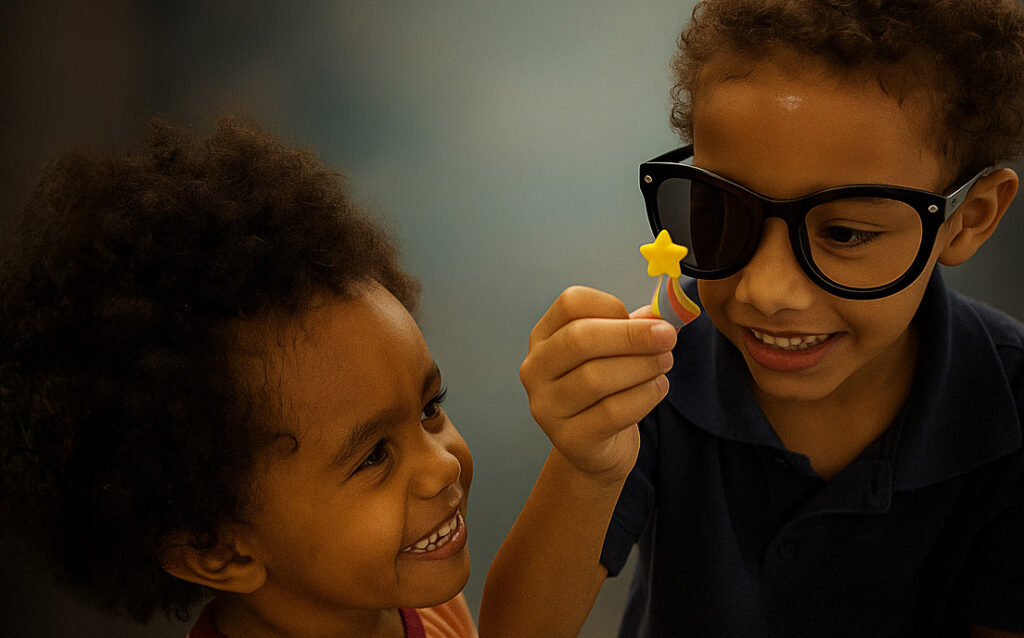
Being RAAD means starting with a foundation rooted in culturally sustainable pedagogy. We see learning as an additive process that builds upon the strength of learners’ whole self rather than focusing on deficits. We deeply believe that each learner already possesses strong values, rich background knowledge, creativity, and talent.
RAAD’s spark and container for said brilliance is art as it serves as a universal language that engages all learners. Learners across the country have been historically denied access to rigorous arts education even though it requires innate creativity and rigorous cognition to produce any body of work.
Being RAAD means providing access and learning opportunities to a multitude of diverse learners—culturally, linguistically, and socio-economically—by allowing learners to use the experiences they bring to create novel solutions to a constantly changing world through art.
Being RAAD means providing a constructivist learning environment that ignites a lifelong love of learning and creating.
Being RAAD means providing a path towards self-actualization. Self-actualization is the ability to become the best version of oneself, specifically: “the desire to become more and more what one is, to become everything that one is capable of becoming.”
Being RAAD means centering both academic and socio-emotional learning and growth. Our approach nurtures the whole person, not just the mind, by providing space and tools for individuals to contemplate and manage the complex thoughts, feelings, and emotions of the human experience.
Critical Consciousness
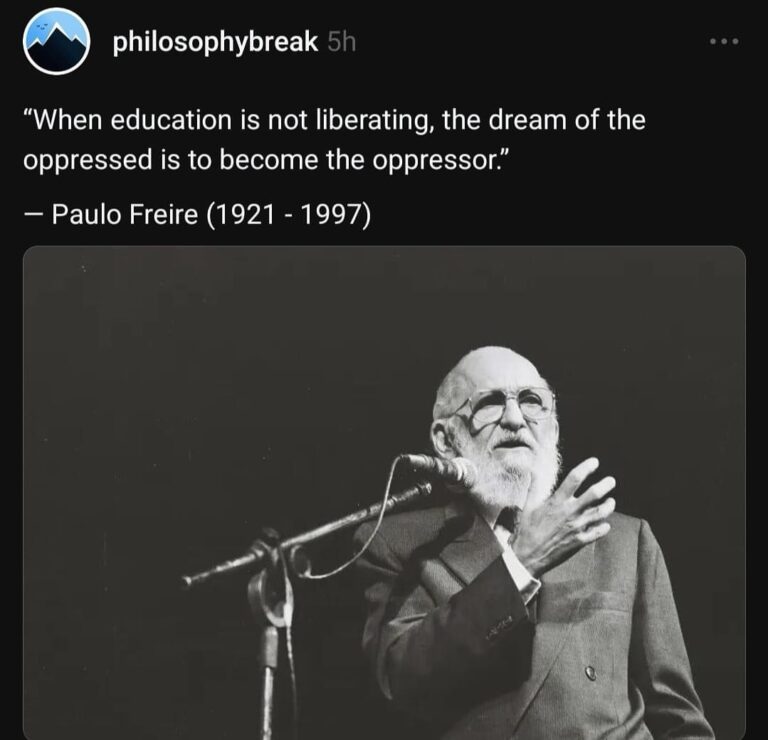
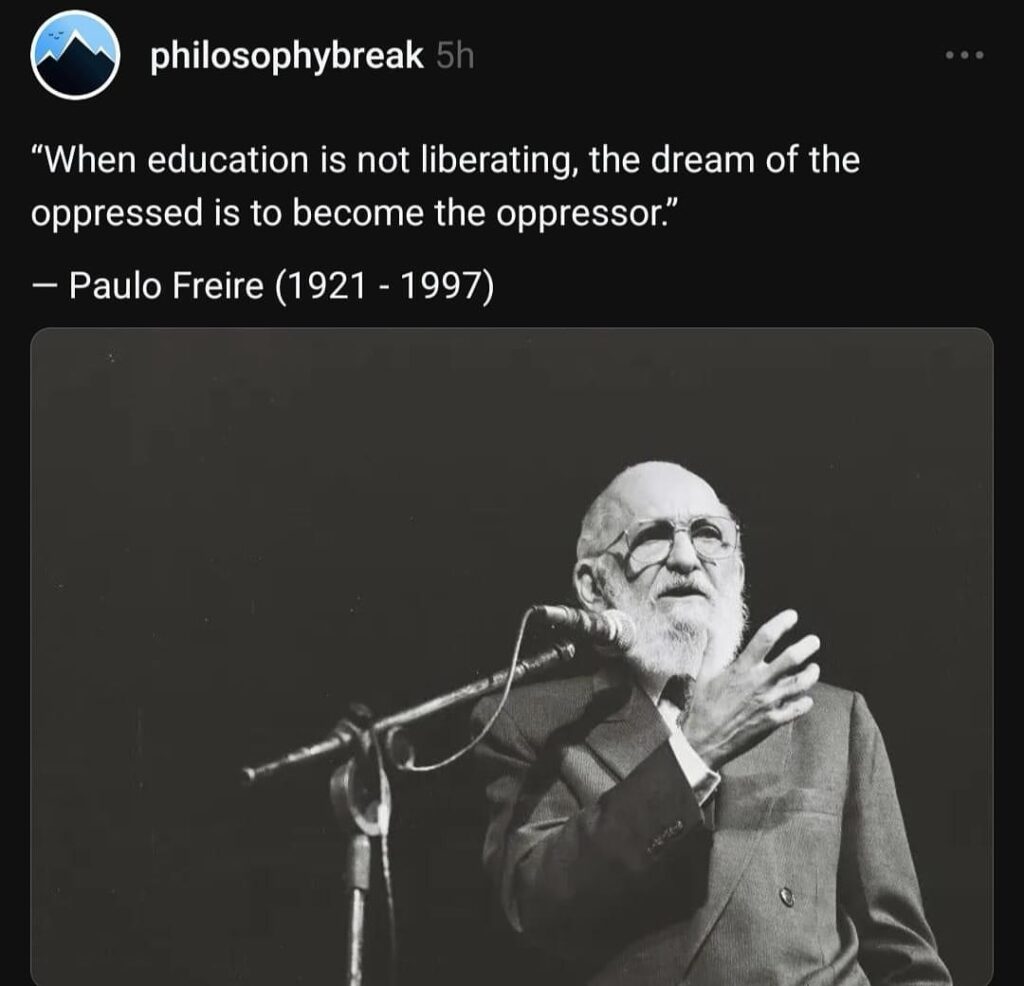
We believe the ultimate goal of education is not to simply master standards but to obtain critical consciousness. Informed by Paolo Freire’s (1970) Pedagogy of the Oppressed, “critical consciousness” or “conscientization” is the ability to recognize oppressive social forces shaping society and to take action against them.
Thereby, critical consciousness is marked by “depth in the interpretation of problems, self-confidence in discussions, receptiveness to other ideas, and refusal to shirk responsibility,” whereby people are able to criticize their own thoughts and see the appropriate causative and circumstantial relationships between events. RAAD’S Educational Program facilitates the learning of:
1 Critical Awareness: Gaining the knowledge about the systems and structures that create and sustain inequality.
2 Sense of Agency: Developing a sense of power and capability to change systems and personal life outcomes.
3 Critical Action: Committing to take action against oppressive systems.
Since Critical Consciousness, “takes the life situation of the learner as its starting point and the raising of consciousness and the overcoming of obstacles as its goals,” then ‘becoming’ critically conscious is something that is never achieved per se, as it necessitates ongoing development & continuous growth, which can take a lifetime to achieve.
ARTS BASED LEARNING
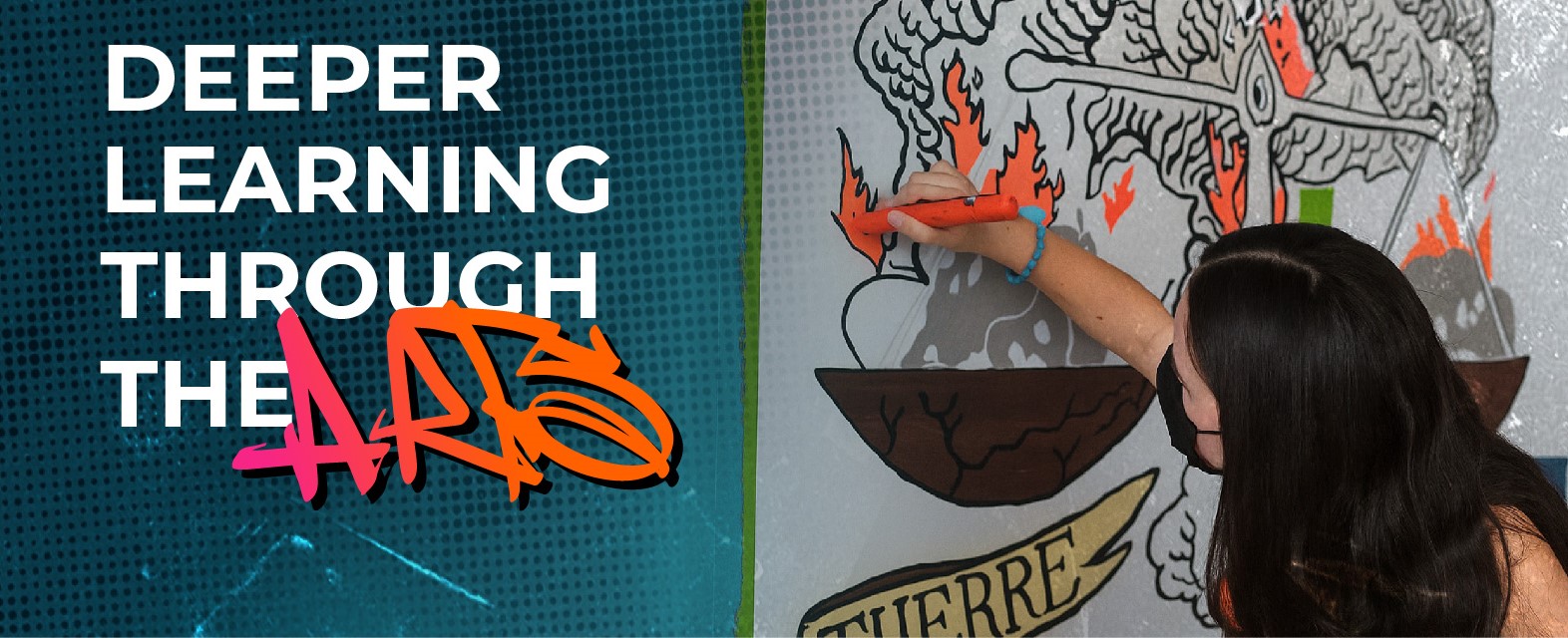
Deeper learning is an educational approach that focuses on cultivating critical thinking, collaboration, communication, and problem-solving skills to ensure learners understand and can apply complex concepts effectively. At RAAD deeper learning across subjects is cultivated through interdisciplinary instruction and facilitated through the arts. Interdisciplinary instruction enables learners to develop their cognitive abilities: brain-based skills and mental processes which are needed to carry out tasks. Repko (2008) identifies a number of cognitive attributes that interdisciplinary learning fosters. He asserts that interdisciplinary learning helps students gain declarative knowledge, that they learn how and why things work the way they do. They also gain procedural knowledge, they are able to identify and understand the steps necessary to arrive at a solution. They combine both declarative and procedural knowledge into structural knowledge.
Through interdisciplinary teaching, learners are able to:
- Strengthen their comprehension skills.
- Experience increased retention.
- Understand how to better apply what they are learning to real-world scenarios.
- See how solutions to problems often require content knowledge and skills which are interconnected.
- Develop different or multiple perspectives, points of views, and values.
- Enhance their decision-making skills and the ability to synthesize knowledge.
- Improve their ability to identify, assess, and communicate important information.
- Foster collaboration skills and are more likely to develop a positive attitude toward learning.
- Become a contributing member of society.
RADICAL ARTS
BASED LEARNING (RAADABL)
What is RAAD Arts Based Learning (ABL)?
In the Arts-Integrated Curriculum, as defined by The Kennedy Center’s Changing Education Through the Arts (CETA) program, “the arts become the approach to teaching and the vehicle for learning.” Students meet dual learning objectives when they engage in the creative process to explore connections between an art form and another subject area to gain greater understanding in both. For example, learners meet objectives in theater (characterization, stage composition, action, expression) and in social studies. The experience is mutually reinforcing—creating a dramatization provides an authentic context for learners to learn more about the social studies content and as learners delve deeper into the social studies content, their growing understanding affects their dramatizations.
Project-based learning (PBL) is a teaching method in which students work on a project over an extended period of time that engages them in a variety of content areas to solve a real-world problem or answer a complex question. As a result, students develop deep content knowledge and the ability to apply it in real-world situations. They demonstrate their knowledge and skills by developing a public product or presentation for a real audience. PBL makes learning relevant.
RAAD describes the combination of Arts Integration and
Project Based Learning as Arts Based Learning (ABL).
With ABL, learners explore their passions, untapped potentials, and relationships between the individual and the collective (with their family, teacher, class peers, school, community and beyond). They synthesize their learnings across multiple disciplines by creating arts projects with an emphasis on social justice. This learning intrinsically facilitates higher order thinking skills because arts projects require a deep dive into traditional core concepts (e.g. in math and literacy) in order to make meaning of and creatively express these concepts utilizing artistic mental processes. In addition, ABL encourages students to take control of their learning in intellectual and meaningful ways. Lastly, ABL offers learners a constructivist experience in which they have agency in their learning and engage in design thinking and production of original work and solutions, in collaboration with peers and community.
ARTS AS ESSENTIALS
At RAAD, the arts are not considered optional or merely enriching–they are central to academic learning, serving as the loom that weaves all educational experiences together. RAAD places students at the heart of this process, with teachers acting as facilitators who grow alongside their learners.
The curriculum embraces open forms of learning — prioritizing creativity, innovation, inclusivity, and user-centric composition — over the more normative “closed forms” that tend to be narrow, canonical, prescriptive, and preserve traditional, outdated, Western Eurocentricity of which “quality” is predetermined. These forms encourage artistic exploration without rigid constraints, acknowledging a wide array of human expression and validating diverse approaches to art-making.
Open form instruction at RAAD is grounded in a Comprehensive Arts Program, which expands the definition of artistry to include viewing, appreciating, creating, improvising, critiquing, researching diverse art histories, and blending traditional and underground theories and practices. This approach also values modern/neoteric artforms which apply more “informal” methods of learning—e.g. as using art projects for synthesis or skill building/allowing students to see themselves reflected in the content through culturally sustaining and student/community-centered experiences.
As such, RAAD arts integrates the music pedagogy framework of Green’s (2013) informal learning practices, as a point of reference for instruction across all RAAD arts. These practices replicate how non-academic and community-based musical groups-particularly in popular genres–learn and create together. Key elements include learner choice, learning by ear from recordings, collaboration in peer groups with minimal adult direction, and organically combining listening, playing, improvising, and composing. Or essentially, setting developing-artists up for success in how these actual arts industry personnel commonly function and work within professional arts settings.
Narita (2014) expands upon this model, applying Freire’s (1970) social justice implications of critical consciousness to conclude that a practice of informal learning fosters inclusion, collaboration, and resistance to the traditional “banking model” of education. RAAD Arts programming thus becomes a powerful vehicle for critical consciousness and opening access to the arts (via equity/inclusion), emphasizing interdisciplinary genres formation and boundary-pushing innovation, over rigid preservation. From here, we interweave studio thinking and how visual arts teaching can promote sustainable habits of mind. Relevance. Ultimately, our unique philosophy informs all RAAD’s Arts pedagogy. No arts content area operates in isolation; instead, the Arts function as a unifying force for deeper, cross-disciplinary learning and radically transformative education.
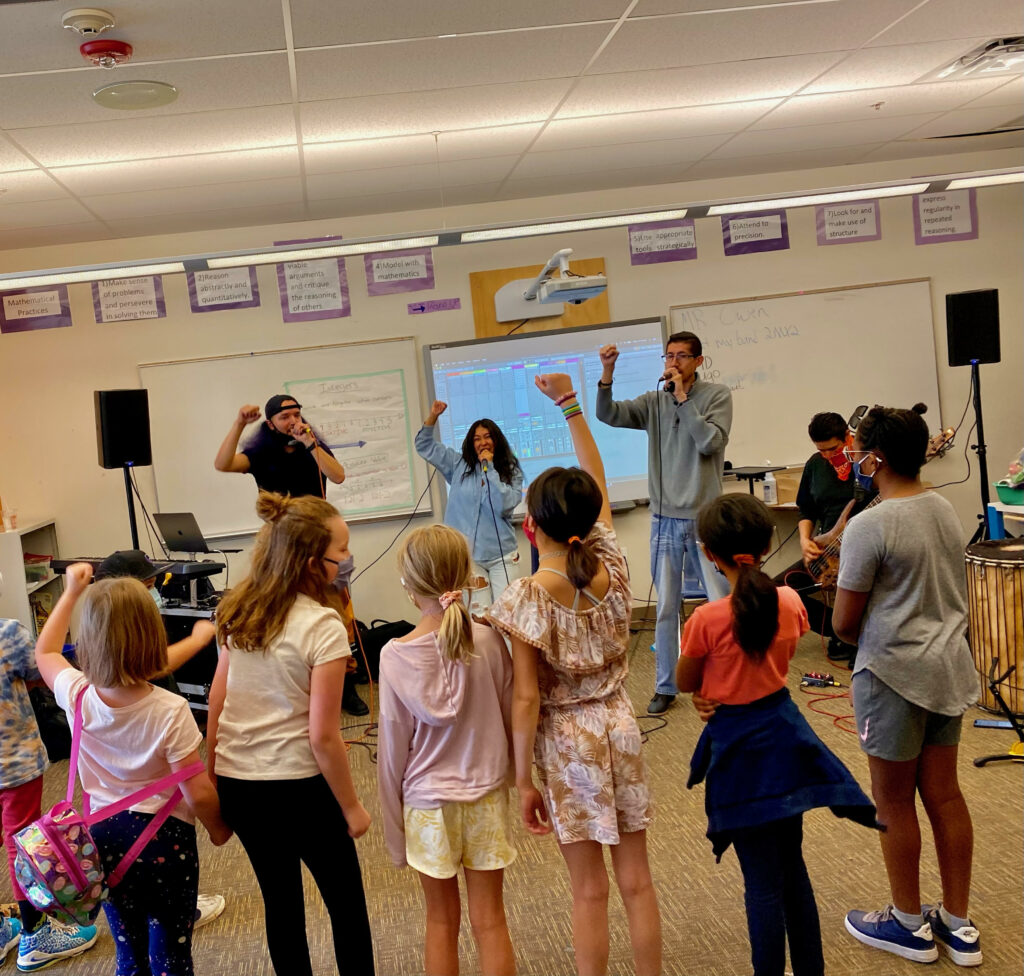
Within the RAAD approach, there are five major Arts content areas that are foundational for learners. Initially students are provided with a gradual deepening of exposure to these various art forms, and then students are empowered to hone their focus to at least one or two art forms. The ultimate purpose is for students to obtain skills focused on their art craft and improvisational development, career readiness, constructive critique, exposure to diverse art theories and histories, and experience creating original content. The five foundational arts: areas include:
MULTILAYERED INSTRUCTIONAL APPROACH
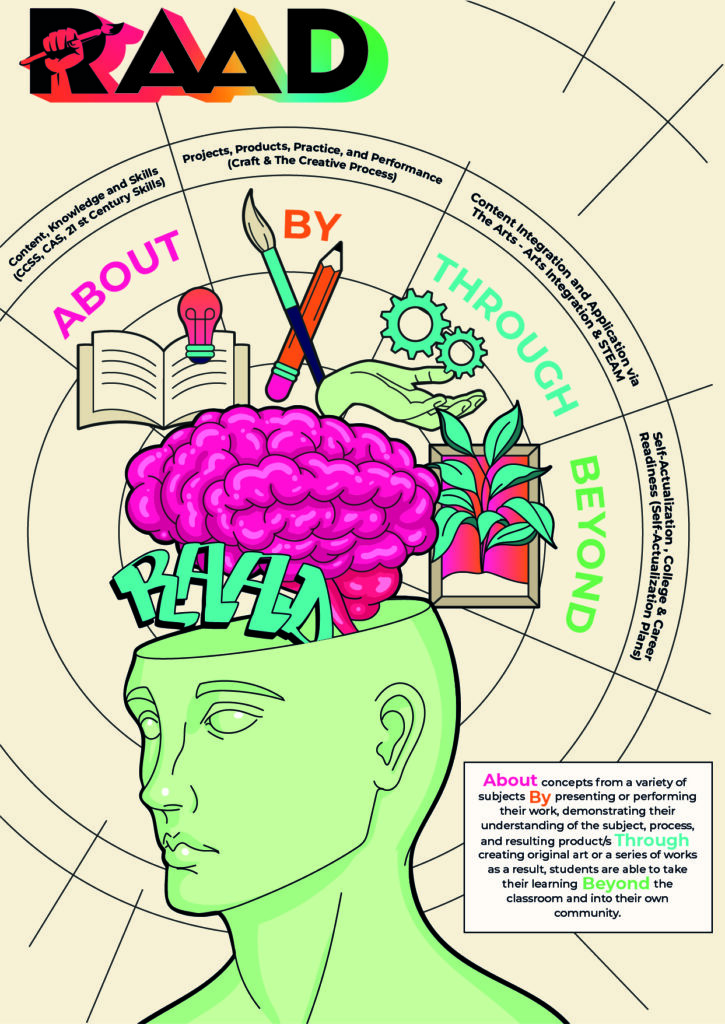
WHAT IS RAAD
At RAAD, we stive to be…
Radical Arts Academy of Denver (RAAD) is a non-profit educational organization that centers the arts.
Our VISION is to transform ecosystems of arts and education.
The RAAD MISSION is to facilitate a model of community responsive, culturally sustaining Arts Based Learning (ABL) that leads to practices of self-actualization and critical consciousness for organizations and individuals.
What Does It Mean To Be RAAD?
Philosophy and Pedagogy
Radical Arts Academy of Denver (RAAD) is a non-profit educational organization that centers the arts.
Our VISION is to transform ecosystems of arts and education.
The RAAD MISSION is to facilitate a model of community responsive, culturally sustaining Arts Based Learning (ABL) that leads to practices of self-actualization and critical consciousness for organizations and individuals.
RAAD’s spark and container for said brilliance is art as it serves as a universal language that engages all learners. Learners across the country have been historically denied access to rigorous arts education even though it requires innate creativity and rigorous cognition to produce any body of work.
Being RAAD means providing access and learning opportunities to a multitude of diverse learners—culturally, linguistically, and socio-economically—by allowing learners to use the experiences they bring to create novel solutions to a constantly changing world through art.
Being RAAD means providing a constructivist learning environment that ignites a lifelong love of learning and creating.
Being RAAD means providing a path towards self-actualization. Self-actualization is the ability to become the best version of oneself, specifically: “the desire to become more and more what one is, to become everything that one is capable of becoming.”
Being RAAD means centering both academic and socio-emotional learning and growth. Our approach nurtures the whole person, not just the mind, by providing space and tools for individuals to contemplate and manage the complex thoughts, feelings, and emotions of the human experience.
Critical Consciousness
We believe the ultimate goal of education is not to simply master standards but to obtain critical consciousness. Informed by Paolo Freire’s (1970) Pedagogy of the Oppressed, “critical consciousness” or “conscientization” is the ability to recognize oppressive social forces shaping society and to take action against them.
Thereby, critical consciousness is marked by “depth in the interpretation of problems, self-confidence in discussions, receptiveness to other ideas, and refusal to shirk responsibility,” whereby people are able to criticize their own thoughts and see the appropriate causative and circumstantial relationships between events. RAAD’S Educational Program facilitates the learning of:
1 Critical Awareness: Gaining the knowledge about the systems and structures that create and sustain inequality.
2 Sense of Agency: Developing a sense of power and capability to change systems and personal life outcomes.
3 Critical Action: Committing to take action against oppressive systems.
Since Critical Consciousness, “takes the life situation of the learner as its starting point and the raising of consciousness and the overcoming of obstacles as its goals,” then ‘becoming’ critically conscious is something that is never achieved per se, as it necessitates ongoing development & continuous growth, which can take a lifetime to achieve.
ARTS BASED LEARNING
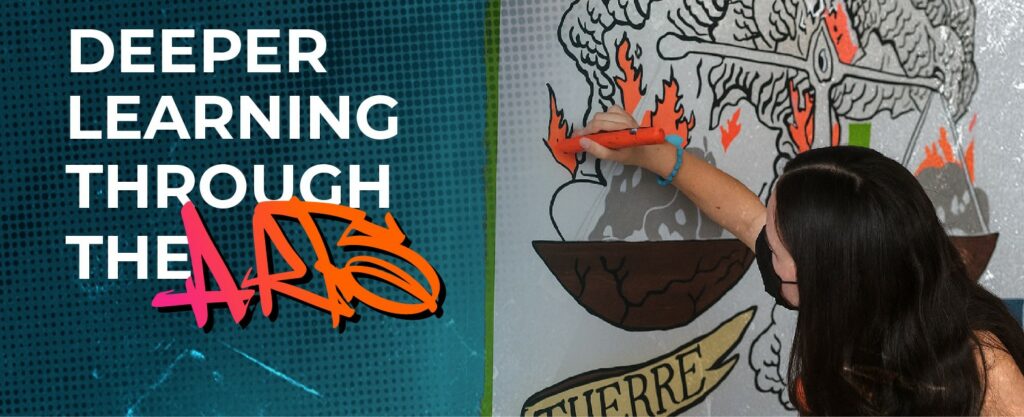
Deeper learning is an educational approach that focuses on cultivating critical thinking, collaboration, communication, and problem-solving skills to ensure learners understand and can apply complex concepts effectively. At RAAD deeper learning across subjects is cultivated through interdisciplinary instruction and facilitated through the arts.
Interdisciplinary instruction enables learners to develop their cognitive abilities: brain-based skills and mental processes which are needed to carry out tasks. Repko (2008) identifies a number of cognitive attributes that interdisciplinary learning fosters. He asserts that interdisciplinary learning helps students gain declarative knowledge, that they learn how and why things work the way they do. They also gain procedural knowledge, they are able to identify and understand the steps necessary to arrive at a solution.
They combine both declarative and procedural knowledge into structural knowledge.
Through interdisciplinary teaching, learners are able to:
- Strengthen their comprehension skills.
- Experience increased retention.
- Understand how to better apply what they are learning to real-world scenarios.
- See how solutions to problems often require content knowledge and skills which are interconnected.
- Develop different or multiple perspectives, points of views, and values.
- Enhance their decision-making skills and the ability to synthesize knowledge.
- Improve their ability to identify, assess, and communicate important information.
- Foster collaboration skills and are more likely to develop a positive attitude toward learning.
- Become a contributing member of society.
RADICAL ARTS
BASED LEARNING (RAADABL)
What is RAAD Arts Based Learning (ABL)?
In the Arts-Integrated Curriculum, as defined by The Kennedy Center’s Changing Education Through the Arts (CETA) program, “the arts become the approach to teaching and the vehicle for learning.” Students meet dual learning objectives when they engage in the creative process to explore connections between an art form and another subject area to gain greater understanding in both. For example, learners meet objectives in theater (characterization, stage composition, action, expression) and in social studies. The experience is mutually reinforcing—creating a dramatization provides an authentic context for learners to learn more about the social studies content and as learners delve deeper into the social studies content, their growing understanding affects their dramatizations.
Project-based learning (PBL) is a teaching method in which students work on a project over an extended period of time that engages them in a variety of content areas to solve a real-world problem or answer a complex question. As a result, students develop deep content knowledge and the ability to apply it in real-world situations. They demonstrate their knowledge and skills by developing a public product or presentation for a real audience. PBL makes learning relevant.
RAAD describes the combination of Arts Integration and
Project Based Learning as Arts Based Learning (ABL).
With ABL, learners explore their passions, untapped potentials, and relationships between the individual and the collective (with their family, teacher, class peers, school, community and beyond). They synthesize their learnings across multiple disciplines by creating arts projects with an emphasis on social justice. This learning intrinsically facilitates higher order thinking skills because arts projects require a deep dive into traditional core concepts (e.g. in math and literacy) in order to make meaning of and creatively express these concepts utilizing artistic mental processes. In addition, ABL encourages students to take control of their learning in intellectual and meaningful ways. Lastly, ABL offers learners a constructivist experience in which they have agency in their learning and engage in design thinking and production of original work and solutions, in collaboration with peers and community.
ARTS BASED LEARNING
At RAAD, the arts are not considered optional or merely enriching–they are central to academic learning, serving as the loom that weaves all educational experiences together. RAAD places students at the heart of this process, with teachers acting as facilitators who grow alongside their learners.
The curriculum embraces open forms of learning — prioritizing creativity, innovation, inclusivity, and user-centric composition — over the more normative “closed forms” that tend to be narrow, canonical, prescriptive, and preserve traditional, outdated, Western Eurocentricity of which “quality” is predetermined. These forms encourage artistic exploration without rigid constraints, acknowledging a wide array of human expression and validating diverse approaches to art-making.
Open form instruction at RAAD is grounded in a Comprehensive Arts Program, which expands the definition of artistry to include viewing, appreciating, creating, improvising, critiquing, researching diverse art histories, and blending traditional and underground theories and practices. This approach also values modern/neoteric artforms which apply more “informal” methods of learning—e.g. as using art projects for synthesis or skill building/allowing students to see themselves reflected in the content through culturally sustaining and student/community-centered experiences.
As such, RAAD arts integrates the music pedagogy framework of Green’s (2013) informal learning practices, as a point of reference for instruction across all RAAD arts. These practices replicate how non-academic and community-based musical groups-particularly in popular genres–learn and create together. Key elements include learner choice, learning by ear from recordings, collaboration in peer groups with minimal adult direction, and organically combining listening, playing, improvising, and composing. Or essentially, setting developing-artists up for success in how these actual arts industry personnel commonly function and work within professional arts settings.
Narita (2014) expands upon this model, applying Freire’s (1970) social justice implications of critical consciousness to conclude that a practice of informal learning fosters inclusion, collaboration, and resistance to the traditional “banking model” of education. RAAD Arts programming thus becomes a powerful vehicle for critical consciousness and opening access to the arts (via equity/inclusion), emphasizing interdisciplinary genres formation and boundary-pushing innovation, over rigid preservation. From here, we interweave studio thinking and how visual arts teaching can promote sustainable habits of mind. Relevance. Ultimately, our unique philosophy informs all RAAD’s Arts pedagogy. No arts content area operates in isolation; instead, the Arts function as a unifying force for deeper, cross-disciplinary learning and radically transformative education.
Within the RAAD approach, there are five major Arts content areas that are foundational for learners. Initially students are provided with a gradual deepening of exposure to these various art forms, and then students are empowered to hone their focus to at least one or two art forms. The ultimate purpose is for students to obtain skills focused on their art craft and improvisational development, career readiness, constructive critique, exposure to diverse art theories and histories, and experience creating original content. The five foundational arts: areas include:
MULTILAYERED INSTRUCTIONAL APPROACH
PRODUCTS
- RAAD Products: Transforming Arts Education Through Culturally Sustaining Curriculum
- RAAD is developing a transformative suite of Arts-Based Learning (RAAD ABL) curricular resources that addresses a critical gap in educational equity: the absence of culturally sustaining, community-responsive arts education for Black and Brown students and access to deeper learning approaches.
- Our RAAD Learning Model and comprehensive curriculum suite—including Social Justice Units, Theater Units, and Arts Essentials Units—will equip educators with the tools to transform classrooms into innovative, creative, and inclusive spaces.
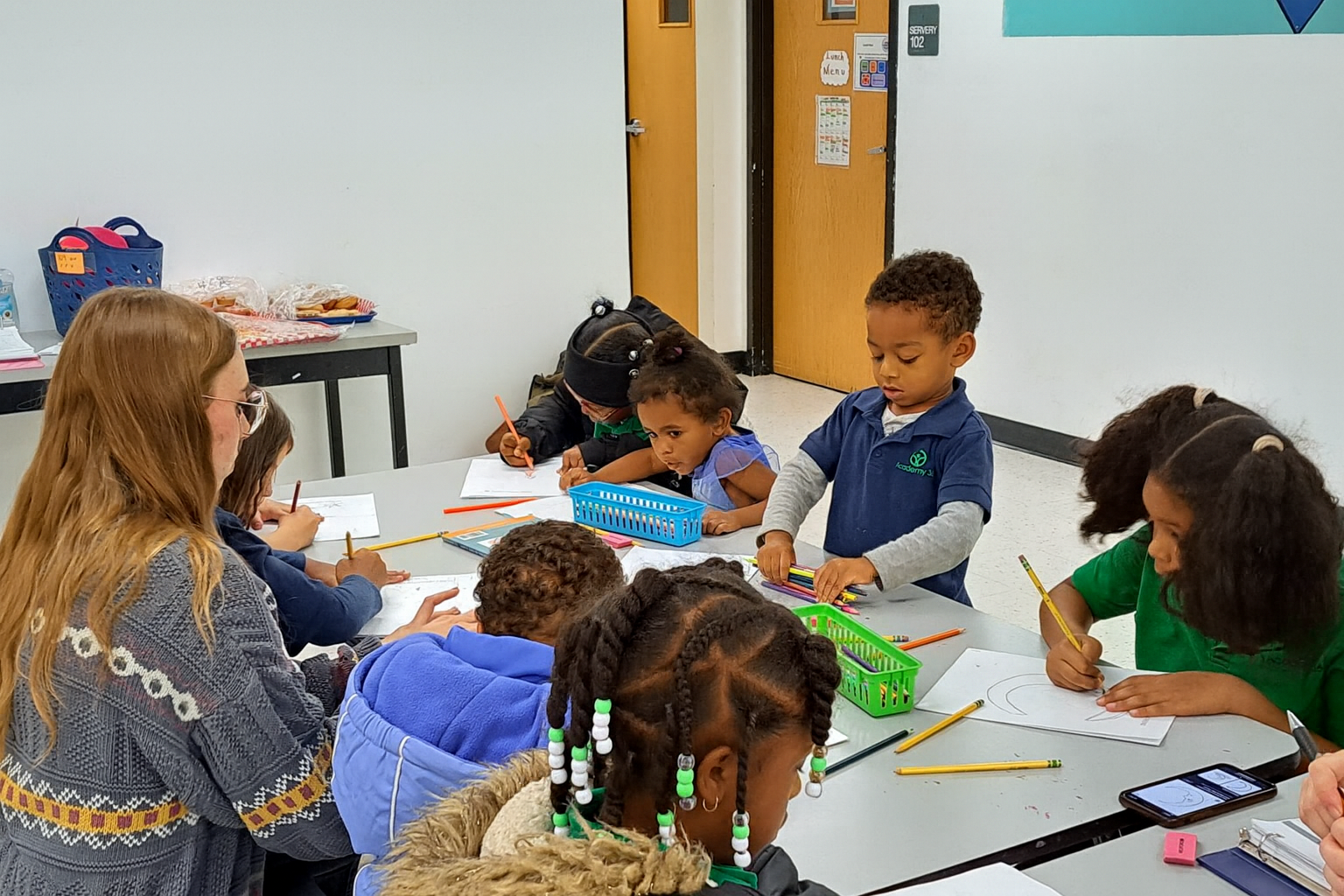
PRODUCTS
RAAD Products: Transforming Arts Education Through Culturally Sustaining Curriculum
RAAD is developing a transformative suite of Arts-Based Learning (RAAD ABL) curricular resources that addresses a critical gap in educational equity: the absence of culturally sustaining, community-responsive arts education for Black and Brown students and access to deeper learning approaches.
Our RAAD Learning Model and comprehensive curriculum suite—including Social Justice Units, Theater Units, and Arts Essentials Units—will equip educators with the tools to transform classrooms into innovative, creative, and inclusive spaces.
PROGRAMS
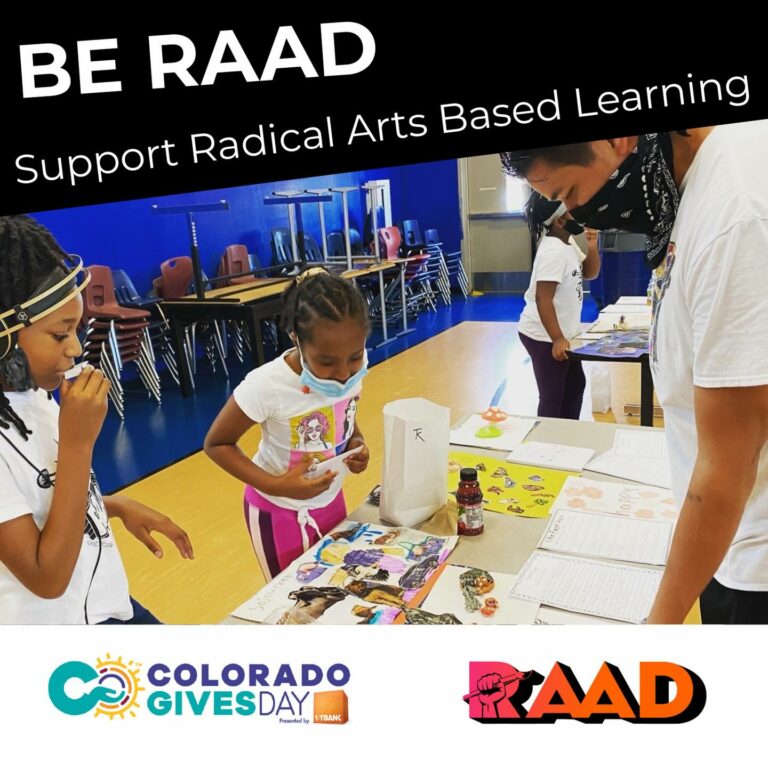
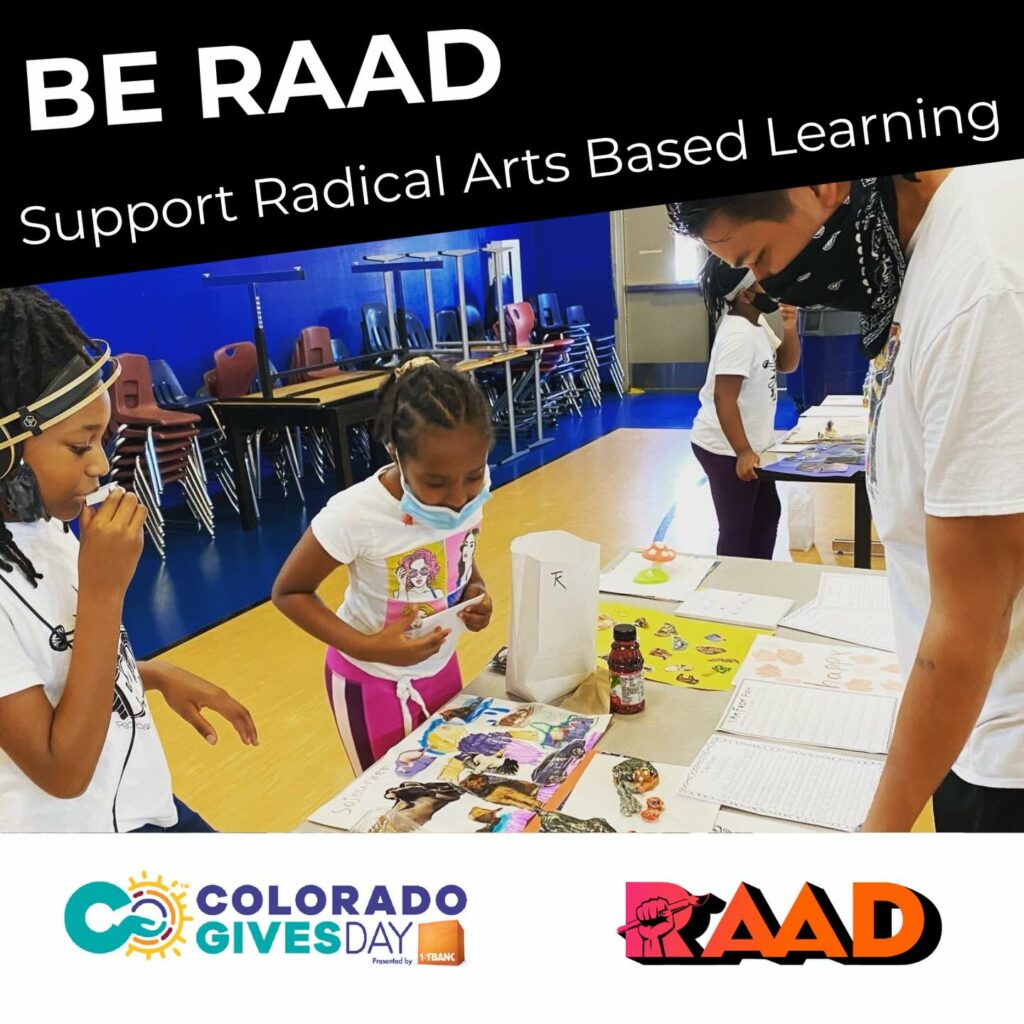
RAAD programming is multilayered and students will have the opportunity to learn in a variety of ways, as determined by program participants. Students may learn standards based content and skills about core and arts concepts. As students learn about a particular subject, the core content and skills are delivered through the arts (RAAD ABL). In addition, students will learn academic and social emotional skills, and demonstrate their knowledge by, for example, presenting projects, creating original content and/or various art in Essentials programs (specific to theater, music, dance, visual art, and/or creative writing) and ABL (cross-curricular content).
Some programs may focus on just the Arts, for example in Visual Arts programming, a student may learn about craft (e.g. media, techniques, history, etc.) through analysis and creation of art/works that perhaps elevate consciousness or initiate political action by inspiring others in performance.
SERVICES
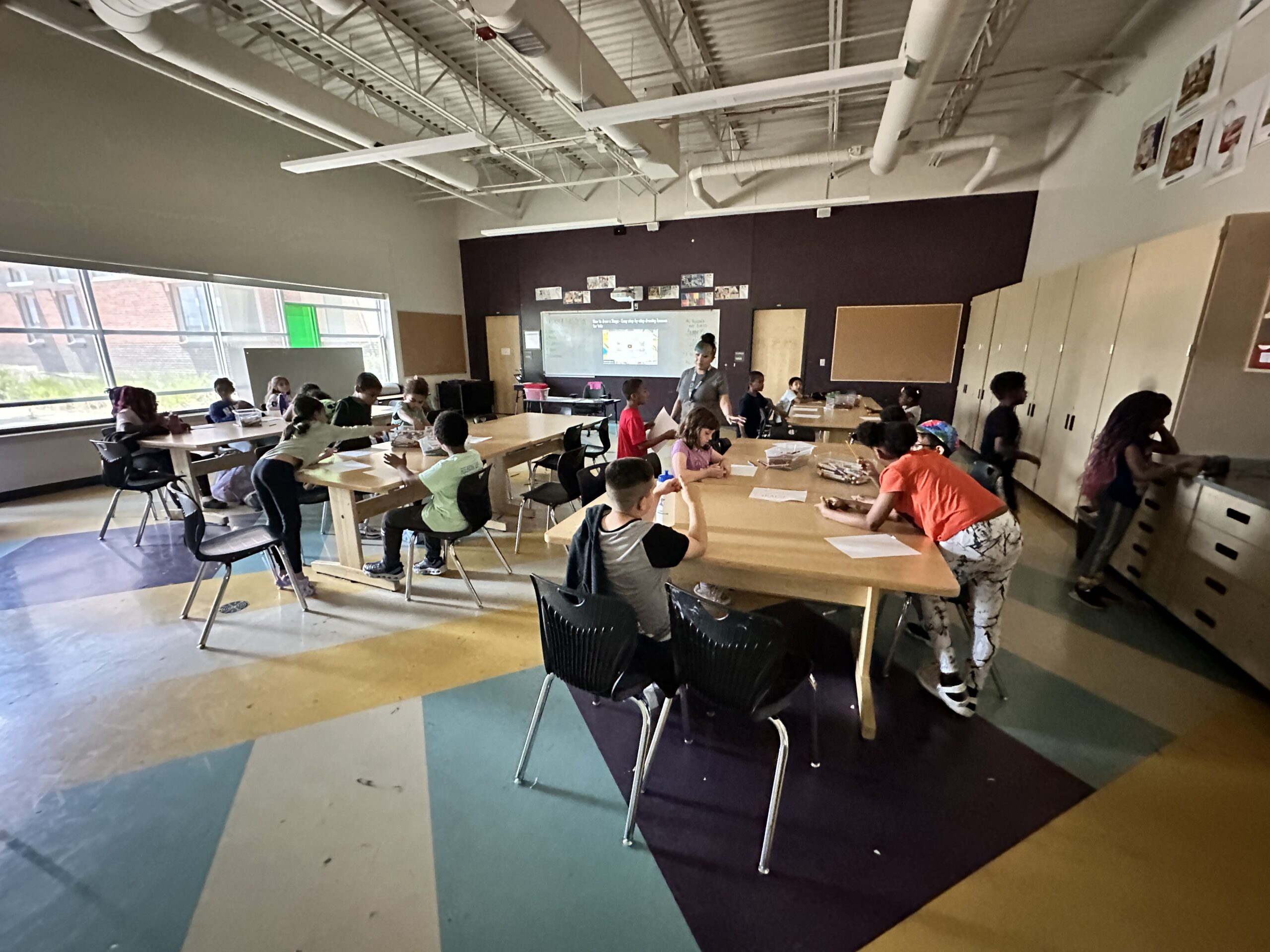
- RAAD Professional Learning & Development: Transforming Arts Education Through Cultural Responsiveness
- RAAD’s Professional Learning & Development (PL&D) services address a critical gap in educational equity: the neglect of culturally responsive practice in arts education. While diversity, equity, and inclusion efforts have begun to transform core academic subjects, arts education has remained anchored in traditional, Eurocentric approaches that fail to serve Black and Brown students.
- Our comprehensive PL&D offerings transform this landscape by equipping educators, leaders, and teaching artists with the RAAD Learning Model—a community responsive, culturally sustaining approach to Arts-Based Learning (ABL).
- Professional Learning & Development (PL&D) and Training in RAAD Learning Model is for:
-Schools (private, traditional public, and charter)
-Leaders
-Teachers of traditional core content
-Arts educators
- Individual artists who teach/teaching artists
- Community organizations
SERVICES
-RAAD Professional Learning & Development: Transforming Arts Education Through Cultural Responsiveness
-RAAD’s Professional Learning & Development (PL&D) services address a critical gap in educational equity: the neglect of culturally responsive practice in arts education. While diversity, equity, and inclusion efforts have begun to transform core academic subjects, arts education has remained anchored in traditional, Eurocentric approaches that fail to serve Black and Brown students.
-Our comprehensive PL&D offerings transform this landscape by equipping educators, leaders, and teaching artists with the RAAD Learning Model—a community responsive, culturally sustaining approach to Arts-Based Learning (ABL).
-Professional Learning & Development (PL&D) and Training in RAAD Learning Model is for:
-Schools (private, traditional public, and charter)
-Leaders
-Teachers of traditional core content
-Arts educators
-Individual artists who teach/teaching artists
-Community organizations
THE TEAM
RAAD’s three, original co-founders met during the Moonshot Edventures Fellowship in 2018. Initially, they had separate ideas for innovative arts/learning models. As these seeds began to take root, they noticed similarities with arts-based education as culturally sustaining (Paris & Alim, 2017), leading them to partner. Hence, RAAD was born.
RAAD’s academic model developed from empathy interviews and school visioning meetings with students, families, and community. These sessions shaped our initial pilots, leading to the creation of our ABL Design Team. This volunteer-based committee met weekly, after work, to envision, advise, and co-create RAAD’s unique culturally and community responsive ABL model.
In 2022, Co founders Dr. Yuzo Nieto and Kelly Okoye partnered with Denver Public Schools to bring the RAAD model to the district as an ECE-5th grade public school with Innovation status.
In 2024, we designed, launched, and led RAAD’s first arts-based-learning model in a full public school setting, as co-founding Principals/Leaders of Responsive Arts & Steam Academy (RASA), which opened in a brand new state of the art building to offer the RAAD model to ECE-8th grade DPS students. Our combined experiences opening RASA demonstrated a pivotal accomplishment, expanding the RAAD model and impact.
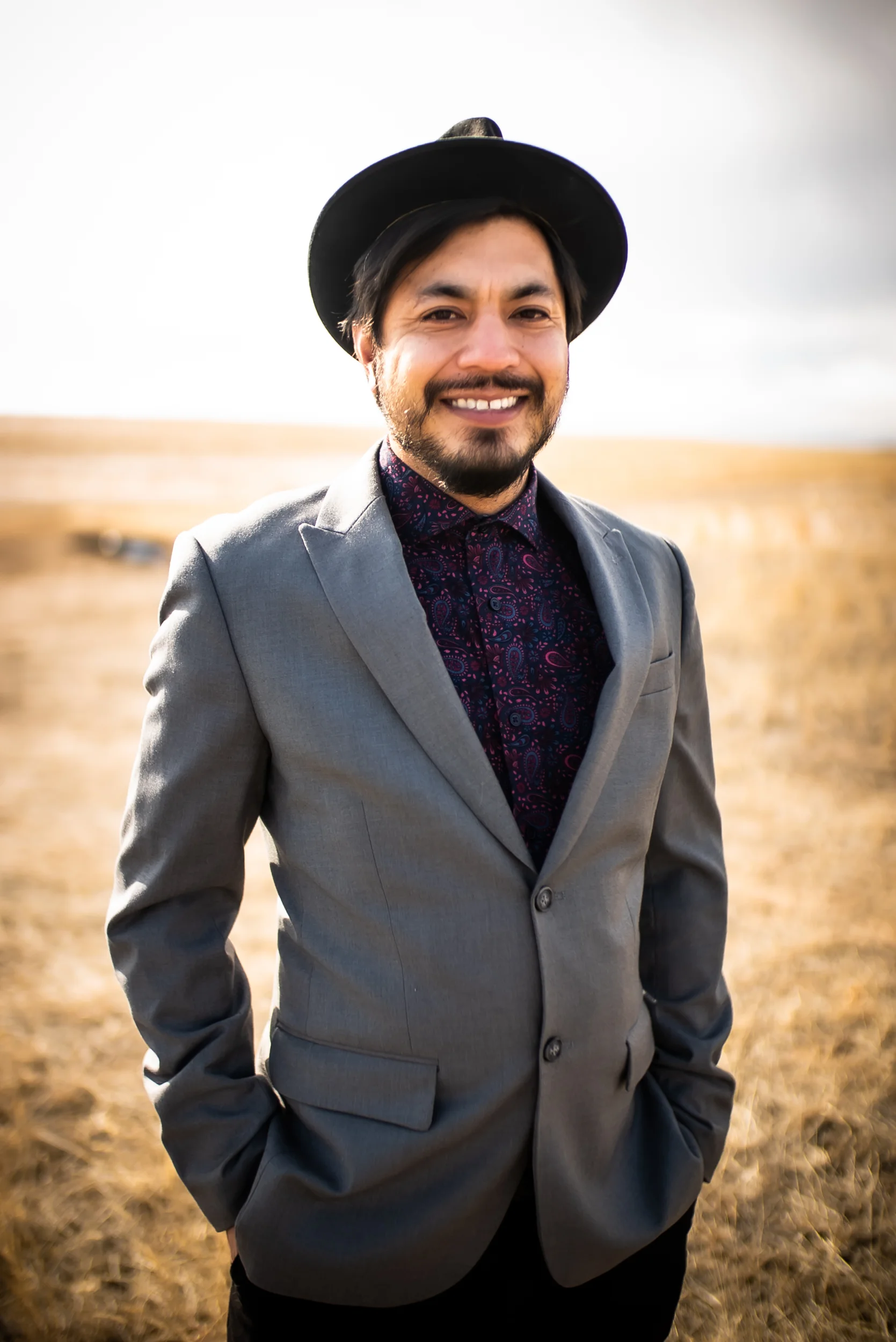

Dr. Yuzo Nieto
Has spent his career serving the Denver community as both a school founder/leader, educator, musician/artist and community activist. He earned his Masters in Educational Psychology from the University of Colorado (CU) & Doctorate in Music Education with a focus in Educational Leadership & Policy Studies from the University of Northern Colorado (UNCO).
His dissertation research focuses on implementing Culturally Sustaining, Community Responsive pedagogical frameworks within Music Education. From there, Yuzo went on to lead and launch Radical Arts Academy Denver (RAAD) as Co-Founding Executive Artistic Director and Responsive Arts & STEAM Academy (RASA) in Denver Public Schools as Co-Founding Principal. Beyond his career in education, Yuzo is a father of two amazing kiddos, as well as the bandleader, multi-instrumentalist, and primary composer for the one and only Xicanxbeat orchestra (Afrobeat / Chicano Hip-Hop / Cumbia) called los Pink Hawks.

Kelly Okoye
Is an educational leader, activist, and entrepreneur with over 25 years of experience transforming learning spaces across public and private schools. Proudly raised in Denver’s Montbello neighborhood, Kelly has dedicated her career to serving students from early childhood through 8th grade in both core academics and the visual arts. Kelly earned her Bachelor of Arts in Elementary Education and Teaching, with a concentration in English Language Acquisition, from the University of Northern Colorado’s Center for Urban Education. She holds a Master of Arts in Leadership of Educational Organizations from the University of Colorado Denver.
Her credentials include Colorado Initial Principal License, a K-12 Endorsement in Culturally and Linguistically Diverse Education, and advanced designations in English Learner Professional Development and the Science of Reading/READ Act. Kelly is the Co-Founding Executive Director of Learning of Radical Arts Academy of Denver (RAAD). She also was the co-founding Assistant Principal of Responsive Arts and Steam Academy (RASA) an ECE-8 public school. Beyond her professional work, Kelly is passionate about arts and culture, and finds joy in traveling, spending time with loved ones, painting, and reading. Her lifelong commitment to equity and innovation in education continues to inspire those around her.